


Release: Storm / Flood Claim Information
April 2, 2026 at 1:39 am
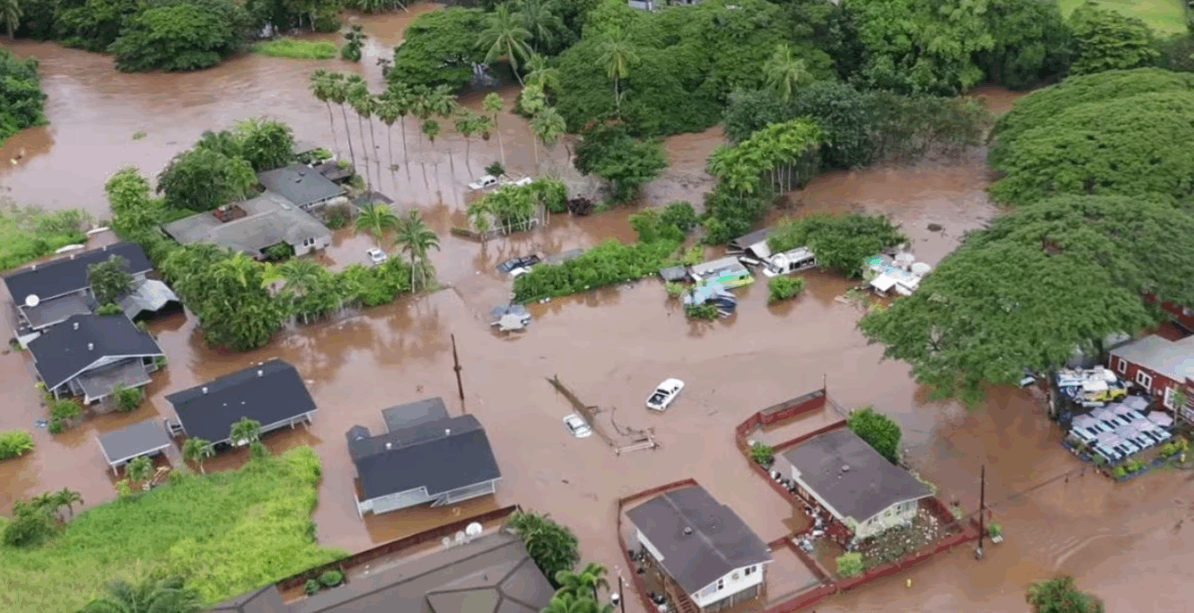
If you have NATIONAL FLOOD INSURANCE PROGRAM (NFIP) coverage, start a claim at FloodSmart.gov/recover/start-a-claim.
If you have flood insurance through a PRIVATE CARRIER, contact your insurance company or producer (agent) to start a claim.
General Steps to Filing a Homeowners, Condo, Renters Claim:
- Once it is safe, check for and document damage by taking clear photos / videos.
- Secure your property to prevent further damage and keep receipts for any materials used to do so.
- After reviewing your policy’s coverages and claims procedure, follow the claims procedure or contact your insurance company or producer (agent) to report your damage and FILE A CLAIM.
- Submit proof of loss forms or other claims forms if requested by your insurer.
- Set damaged items aside for later review / inspection by your adjuster.
- Don’t begin permanent repairs until damage is inspected by your adjuster or approved by your insurer.
- Work with your adjuster and a licensed contractor to estimate the cost of repairs.
- Receive settlement check and begin repairs. Be wary of scams. Do not sign your entire claims check over to a contractor.
If you have COMPREHENSIVE (OTHER THAN COLLISION) coverage on your motor vehicle insurance policy, contact your auto insurer.
Auto Insurance Claims (if vehicle is non-drivable)
- Contact your auto insurance company or producer (agent) to FILE A CLAIM. Be prepared to provide information on the condition of your vehicle and where it is located.
- If it is determined that your vehicle is a total-loss:
- Work with your adjuster to determine the condition the vehicle was in prior to the damage and what the mileage was (last safety check paperwork should have this and is a good ballpark).
- Locate your auto title. If you do not have a copy or it was destroyed, apply for a duplicate copy from the County (Motor Vehicle & Licensing).
- Research listings for vehicles like yours in your area so you can determine if the offer your insurance company provides is in line with your vehicle’s value.
- If you agree with the offer, work with your adjuster to finalize your claim and sign paperwork and your title over to them.
- If you have a loan, your insurer will get a payoff amount from your lender and pay you the balance of the vehicle’s value after your lien is paid off.
- To expedite your balance payment, see if your insurer will create / accept a limited power of attorney to use to sign off on your portion of the title once the lienholder sends it to them.
- If you have a loan, your insurer will get a payoff amount from your lender and pay you the balance of the vehicle’s value after your lien is paid off.
- If you do not agree with the offer, provide your research and work with your adjuster to negotiate the value of your vehicle.
- Your policy has an appraisal clause you can invoke if you reach in impasse.
Auto Insurance Claims (if vehicle is drivable)
- Ensure your and others’ safety by confirming your vehicle is safe to drive.
- Contact your auto insurance company or producer (agent) to FILE A CLAIM. Work with them to estimate the damage or value of your vehicle.
- Once you and your insurer have determined the initial cost of repairs, work with a shop to have your vehicle repaired.
- If additional damage is discovered during the course of the repairs, your insurer will work with you and the shop on a supplement to the original estimate and issue additional payments as need.
- If you have a car loan on the damaged vehicle and the repair costs are extensive, your lienholder may be listed on the payment.
- If additional damage is discovered during the course of the repairs, your insurer will work with you and the shop on a supplement to the original estimate and issue additional payments as need.
For a printable PDF of this information, please click here.
For more storm claims information, please click here.