

Month: March 2026
Release: Beware of Scam Phone Calls Targeting Medical Professionals
March 25, 2026 at 4:51 am

STATE OF HAWAIʻI
KA MOKU ʻĀINA O HAWAIʻI
JOSH GREEN, M.D.
GOVERNOR
KE KIAʻĀINA
DEPARTMENT OF COMMERCE AND CONSUMER AFFAIRS
KA ʻOIHANA PILI KĀLEPA
NADINE Y. ANDO
DIRECTOR
KA LUNA HOʻOKELE
PROFESSIONAL AND VOCATIONAL LICENSING
CINDY A. MATSUSHITA
LICENSING ADMINISTRATOR
FOR IMMEDIATE RELEASE
HONOLULU — The State of Hawaiʻi Department of Commerce and Consumer Affairs (DCCA) is warning the public about phone scammers impersonating state officials and government agencies to target medical professionals. These scammers make false threats of investigations in an attempt to obtain sensitive personal information.
Reports have surfaced of individuals pretending to be government officials contacting licensees, falsely claiming an investigation is being conducted into their professional license. Scammers have been impersonating state and federal officials to include the Drug Enforcement Administration, Hawaiʻi Medical Board, and respective states’ Departments of Health and Human Services.
Recent incidents have involved dental and medical doctor licensees. Other medical professionals, including nurses, pharmacists and others, have often and may continue to be targeted.
The scammers may request various personal information and in some cases, even use Caller ID spoofing to make it appear as though the call is coming from a legitimate government agency, to increase the illusion of credibility for the scam.
Within the state of Hawaiʻi, the DCCA Regulated Industries Complaints Office (RICO) is the authority to conduct independent investigations into licensees. RICO’s official communications are sent on letterhead and include contact information for RICO offices. RICO does not ask for sensitive personal information over the phone, or attempt to solicit wire transfers — and RICO cannot take action against a licensee.
Only the 52 licensing boards, commissions and programs that are affiliated with the Professional and Vocational Licensing (PVL) division of the DCCA can discipline the licensee, after appropriate notification and investigation.
The 52 boards, commissions and programs do not, however, conduct investigations. Additionally, states’ Departments of Health and Human Services do not have the authority to suspend or revoke professional or vocational licenses, nor initiate an investigation into a Hawaiʻi professional’s license
Here are some tips to consider when determining whether calls and texts that may be scams
• BE wary and vigilant of callers posing as law enforcement or government agencies, who specifically ask you to pay by gift card, money sharing app, wire transfer, or cryptocurrency. The Department of Commerce and Consumer Affairs, law enforcement and other government agencies will not call to solicit money or threaten arrest.
• NEVER give out personal identifying information such as account numbers, social security numbers or birthdates in response to unexpected calls/if you did not initiate the call/place the order.
• If you SUSPECT fraudulent activity, immediately hang up and call the phone number on your account statement or government agency website or vendor to verify the authenticity.
if you have received any calls similar to what has been described above or are seeking to verify contact from DCCA, please call the Professional and Vocational Licensing Division at 1-844-808-3222 (DCCA). A list of programs and contact information is available at https://cca.hawaii.gov/pvl/
Media Contact:
William Nhieu
Department of Commerce and Consumer Affairs
Phone: 808-586-7582
Email: [email protected]
Release: Understanding Flood Insurance Coverage as Stormy Weather Continues
March 21, 2026 at 1:28 pm
STATE OF HAWAIʻI
KA MOKU ʻĀINA O HAWAIʻI
JOSH GREEN, M.D.
GOVERNOR
KE KIAʻĀINA
DEPARTMENT OF COMMERCE AND CONSUMER AFFAIRS
KA ʻOIHANA PILI KĀLEPA
NADINE Y. ANDO
DIRECTOR
KA LUNA HOʻOKELE
SCOTT K. SAIKI
INSURANCE COMMISSIONER
FOR IMMEDIATE RELEASE
March 21, 2026
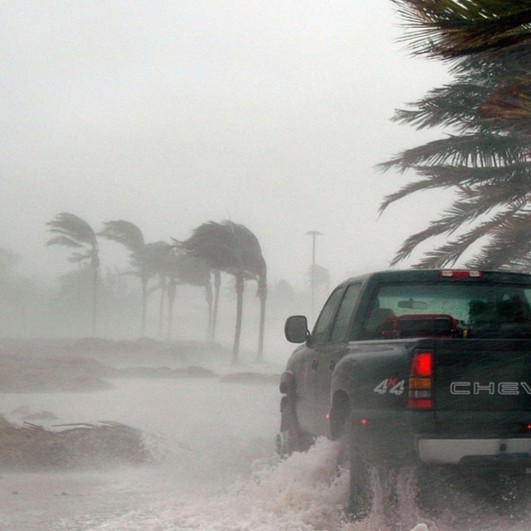
HONOLULU — With more severe weather in the forecast, the Hawaiʻi Department of Commerce and Consumer Affairs (DCCA) Insurance Division encourages residents to know what their policies cover so they can efficiently recover any losses after the storm passes.
Flood insurance is separate from homeowners insurance and generally not required unless the property is in a designated high-risk flood zone. As we saw with the last storm, however, flooding can occur outside of these areas, which is why all homeowners and renters are strongly encouraged to consider flood coverage.
A standard flood insurance policy normally helps cover physical damage caused by rising water, such as damage to the structure of the home (including foundation, walls, electrical and plumbing systems) and certain essential contents like appliances and personal belongings. However, coverage is subject to policy limits and exclusions, so items like landscaping, temporary housing costs and some high-value personal property may be limited or not covered.
For those who have experienced flood damage but do not carry flood insurance, individuals may look to federal disaster assistance programs, if a disaster declaration is made, or explore available local relief resources. More information on flood insurance is available at https://www.floodsmart.gov/.
If you do carry flood insurance and need to report damage to your home or vehicle, contact your insurance company or agent right away. Ask for your claim number and confirm any deadlines for filing or submitting documentation. You will need to take clear photos or videos of any damage and if safe, keep damaged items until the insurance adjuster has seen them. Avoid making permanent repairs until your insurer has approved them and keep receipts for all expenses including temporary repairs, hotel stays, meals and other related costs.
To help residents navigate the claims process, the Hawaiʻi Insurance Division has developed a Post-Disaster Insurance Claims Guide and instructional video on how to file an insurance claim. Consumers may also contact the Hawaiʻi Insurance Division at 1-844-808-DCCA (3222) or visit http://cca.hawaii.gov/ins for additional claim-filing tips, disaster recovery resources and assistance with insurance-related concerns.
###
The Hawaiʻi Insurance Division regulates the Hawaiʻi insurance industry, issues licenses; examines the fiscal condition of Hawaiʻi-based companies; reviews rate and policy filings and investigates insurance-related complaints.
Media Contact:
William Nhieu
Communications Officer
Department of Commerce and Consumer Affairs, State of Hawaii
Email: [email protected]
Phone: 808-586-7582
Release: Protect Your Property Before the Kona Storm
March 11, 2026 at 8:32 am
STATE OF HAWAIʻI
KA MOKU ʻĀINA O HAWAIʻI
JOSH GREEN, M.D.
GOVERNOR
KE KIAʻĀINA
DEPARTMENT OF COMMERCE AND CONSUMER AFFAIRS
KA ʻOIHANA PILI KĀLEPA
NADINE Y. ANDO
DIRECTOR KA LUNA HOʻOKELE
SCOTT K. SAIKI
INSURANCE COMMISSIONER
PROTECT YOUR PROPERTY BEFORE THE KONA STORM
Consumers Urged to Prepare their Property and Review Insurance Coverage
FOR IMMEDIATE RELEASE
March 11, 2026
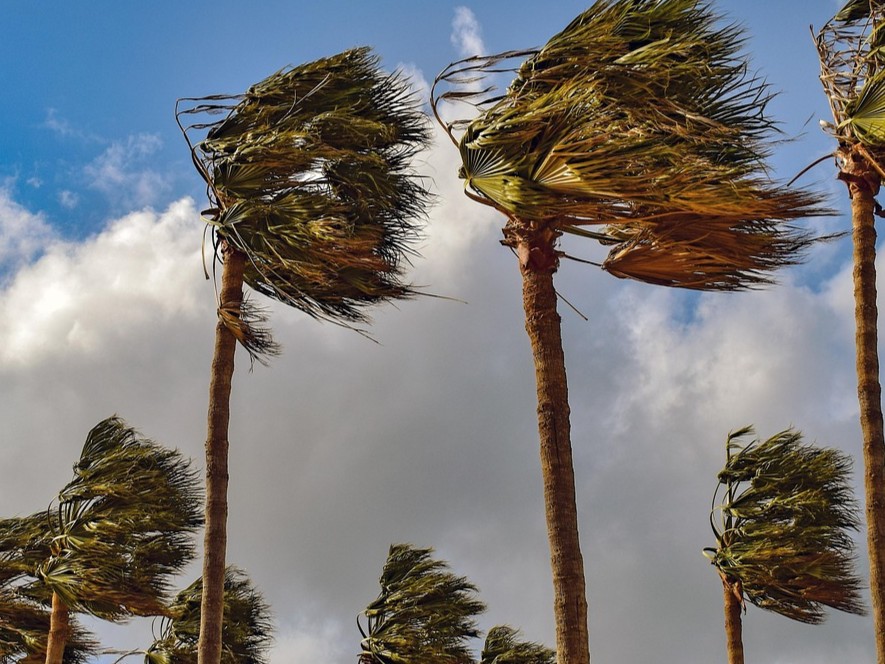
HONOLULU — Ahead of a powerful Kona storm expected to bring heavy rain and flooding this week, the Hawaiʻi Department of Commerce and Consumer Affairs (DCCA) Insurance Division is encouraging residents to review their insurance policies and take steps now, that can make the recovery and insurance claims process easier after the storm passes.
One of the most important steps homeowners, renters and condominium unit owners can take is to review their insurance policies to understand what is covered and what is not. Residents should also keep copies of their property, flood and auto insurance policies in a waterproof container, or stored securely in the cloud so they can be easily accessed if a claim must be filed.
Consumers are also encouraged to create or update a home inventory before the storm arrives. Taking photos or videos of each room and documenting furniture, appliances, electronics and valuables can help speed up the claims process. Receipts, serial numbers and other records for high-value items should also be saved whenever possible.
Residents should also be aware that most standard homeowners, condominium unit-owners and renters insurance policies do not cover flood damage. Flood insurance is available separately through the National Flood Insurance Program (NFIP), which generally requires a 30-day waiting period before coverage takes effect. To learn more, visit floodsmart.gov or talk with your insurance agent.
“This is not our first storm of the year and it won’t be the last. Preparing now will set you up for the future,” said Insurance Commissioner Scott K. Saiki. “And as always, if you have any questions about your policy or settlement, our office is here to help.”
The Hawaiʻi Insurance Division provides several online resources to help consumers better understand their insurance coverage, including My Insurance Doesn’t Cover What? and Annual Review of Your Insurance Policies.
For more information or additional assistance, contact the DCCA Insurance Division at 1-844-808-DCCA (3222) or visit http://cca.hawaii.gov/ins.
# # #
The Hawaiʻi Insurance Division regulates the Hawaiʻi insurance industry, issues licenses; examines the fiscal condition of Hawaiʻi-based companies; reviews rate and policy filings and investigates insurance-related complaints
Media Contact:
William Nhieu
Communications Officer
Department of Commerce and Consumer Affairs, State of Hawaiʻi
Phone: 808-586-7582
Email: [email protected]
Release: National Consumer Protection Week Fair Gathers Hundreds at State Capitol
March 5, 2026 at 11:09 am
STATE OF HAWAIʻI
KA MOKU ʻĀINA O HAWAIʻI
JOSH GREEN, M.D.
GOVERNOR
KE KIAʻĀINA
DEPARTMENT OF COMMERCE AND CONSUMER AFFAIRS
KA ʻOIHANA PILI KĀLEPA
NADINE Y. ANDO
DIRECTOR KA LUNA HOʻOKELE
FOR IMMEDIATE RELEASE
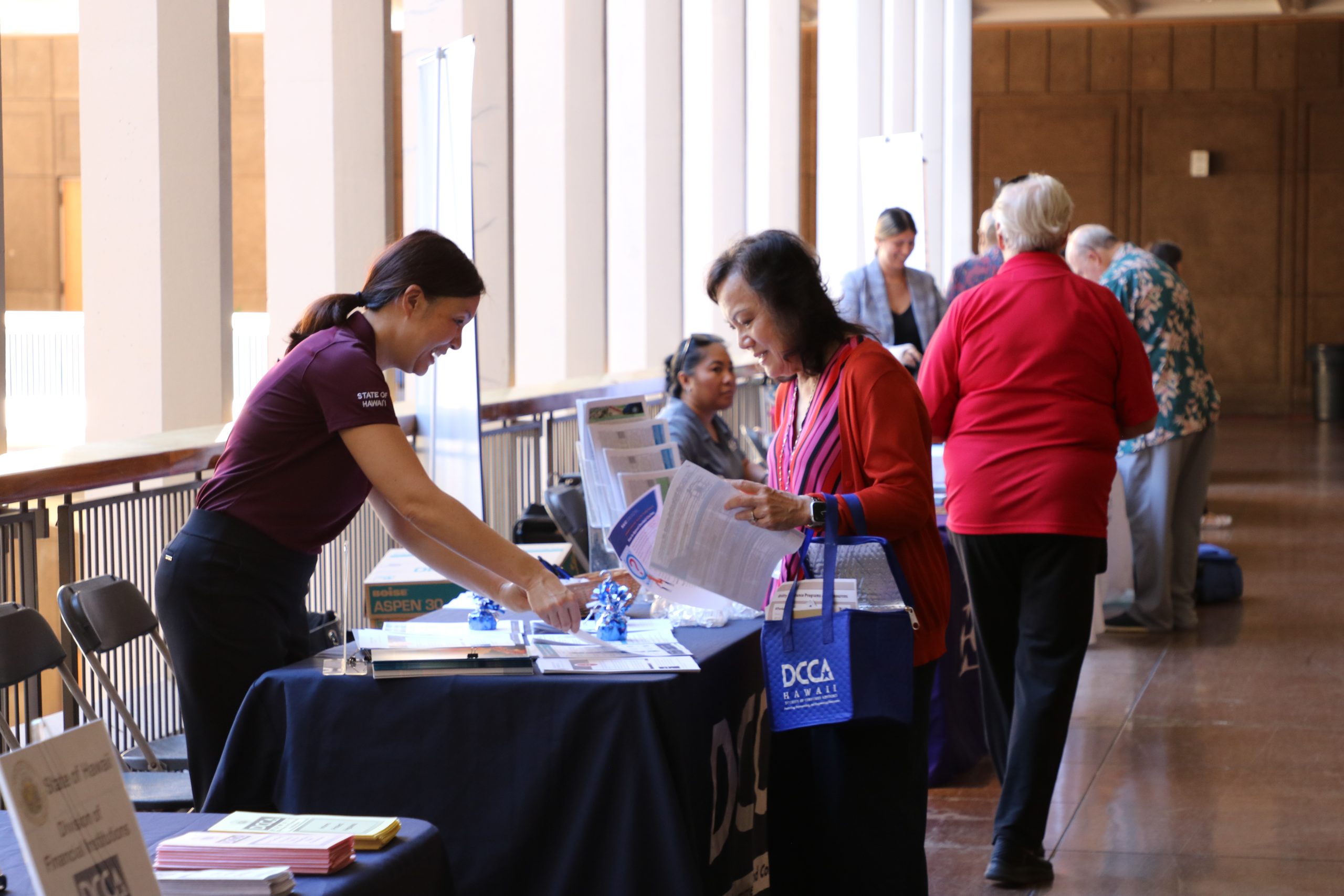
HONOLULU — The Department of Commerce and Consumer Affairs (DCCA) commemorated National Consumer Protection Week by hosting its 21st Consumer Protection Week Fair today at the historic Hawai‘i State Capitol. This significant event, dedicated to raising awareness about consumer rights and countering frauds and scams, served as an opportunity to empower and educate the public.
Representatives provided insightful tips and guidance on consumer best practices and assisted attendees with questions regarding tax filings, financial assistance programs, kūpuna care and more.
DCCA also highlighted the comprehensive BusinessCheck (http://businesscheck.hawaii.gov) public information campaign. BusinessCheck serves as a one-stop resource for information on businesses, individuals and entities operating in the state. This online tool provides details on licensed contractors, electricians, plumbers and other professionals, including license status, classifications, proof of insurance and records of complaints.
Attendees had the chance to network with industry experts, fostering meaningful connections and discussions on practical solutions for protecting consumer rights. DCCA remains committed to advancing consumer rights and the turnout at the NCPW Fair underscores the importance of fostering a more informed and resilient community.
“Mahalo to the government agencies, consumer protection groups and organizations whose collaboration made this year’s fair a great success,” said DCCA Director Nadine Ando.
Each year, DCCA receives hundreds of tips and complaints about unlicensed activity, as well as consumer complaints alleging unfair or deceptive business practices. Events like the NCPW Fair provide a valuable opportunity to educate the public on consumer safety.
Organizations that participated in the National Consumer Protection Week Fair included
• AARP
• American Red Cross
• Blood Bank of Hawai‘i
• Better Business Bureau
• Consumer Financial Protection Bureau
• Federal Bureau of Investigation
• Elderly Affairs Division – City and County of Honolulu
• Tax Relief Section – City and County of Honolulu
• Real Property Assessment Division – City and County of Honolulu
• Executive Office on Aging – Senior Medicare Patrol (SMP)
• Hawai‘i Credit Union League
• Hawai‘i Emergency Management Agency (HIEMA)
• Hawai‘i HomeOwnership Center
• Hawai‘i Pacific University
• Hawai‘i State Health Insurance Assistance Program (Hawai‘i SHIP)
• Hawaiian Electric Co.
• HMSA
• IRS – Taxpayer Advocate Service
• Social Security Administration
• Long-Term Care Ombudsman Program – State of Hawai‘i
• 911 Board – State of Hawai‘i
• Department of Taxation – State of Hawai‘i
• Public Utilities Commission – State of Hawai‘i
• Mediation Center of the Pacific
• U.S. Department of Housing and Urban Development
• Various divisions from the state of Hawai‘i Department of Commerce and Consumer Affairs (DCCA)
Media Contact:
William Nhieu
Communications Officer
Department of Commerce and Consumer Affairs
Email: [email protected]
Phone: 808-586-7582